










Biomass Pallets

Sustainable Crop Residue Management

Innovative solutions for biomass pellet production and sustainable energy

Biomass Pellets

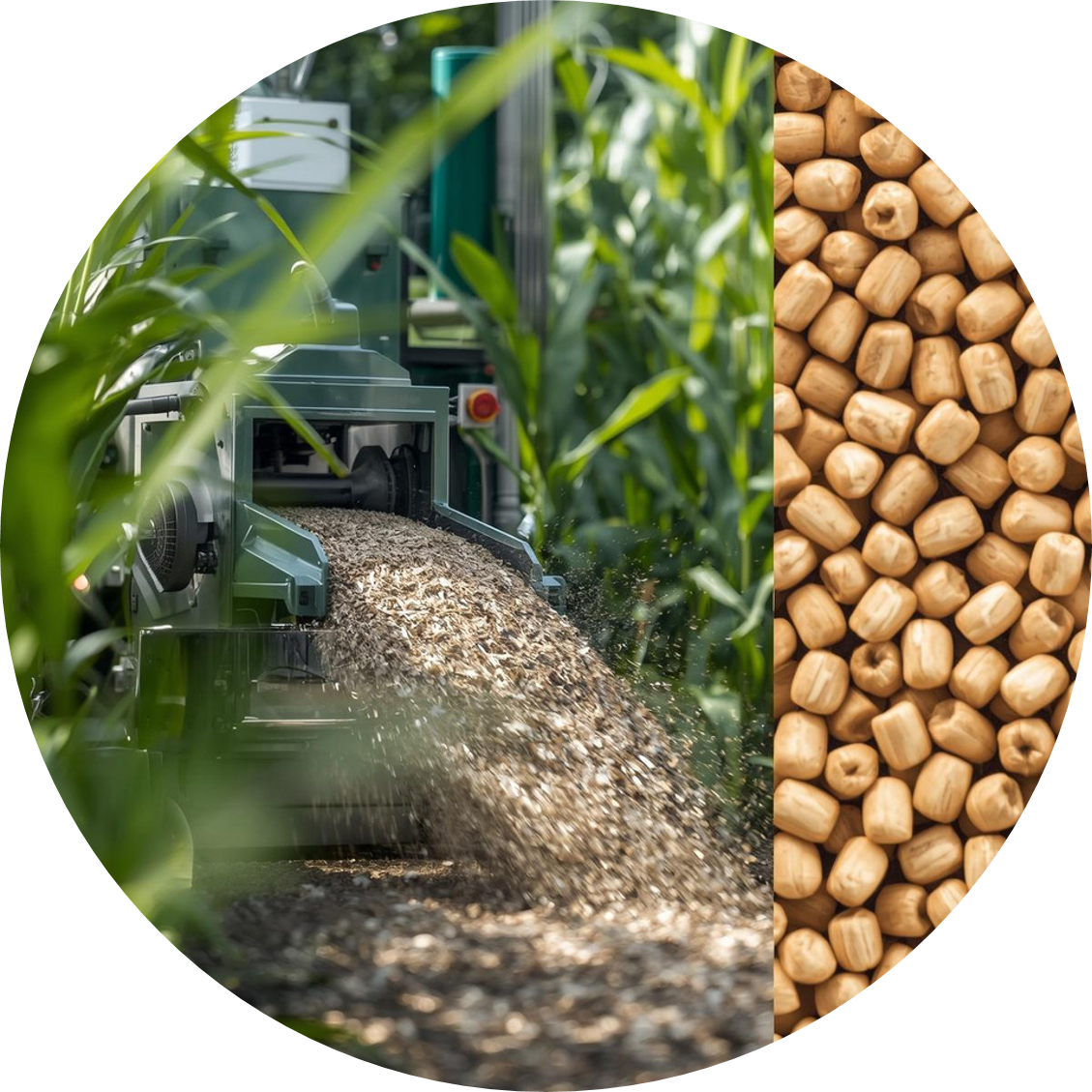
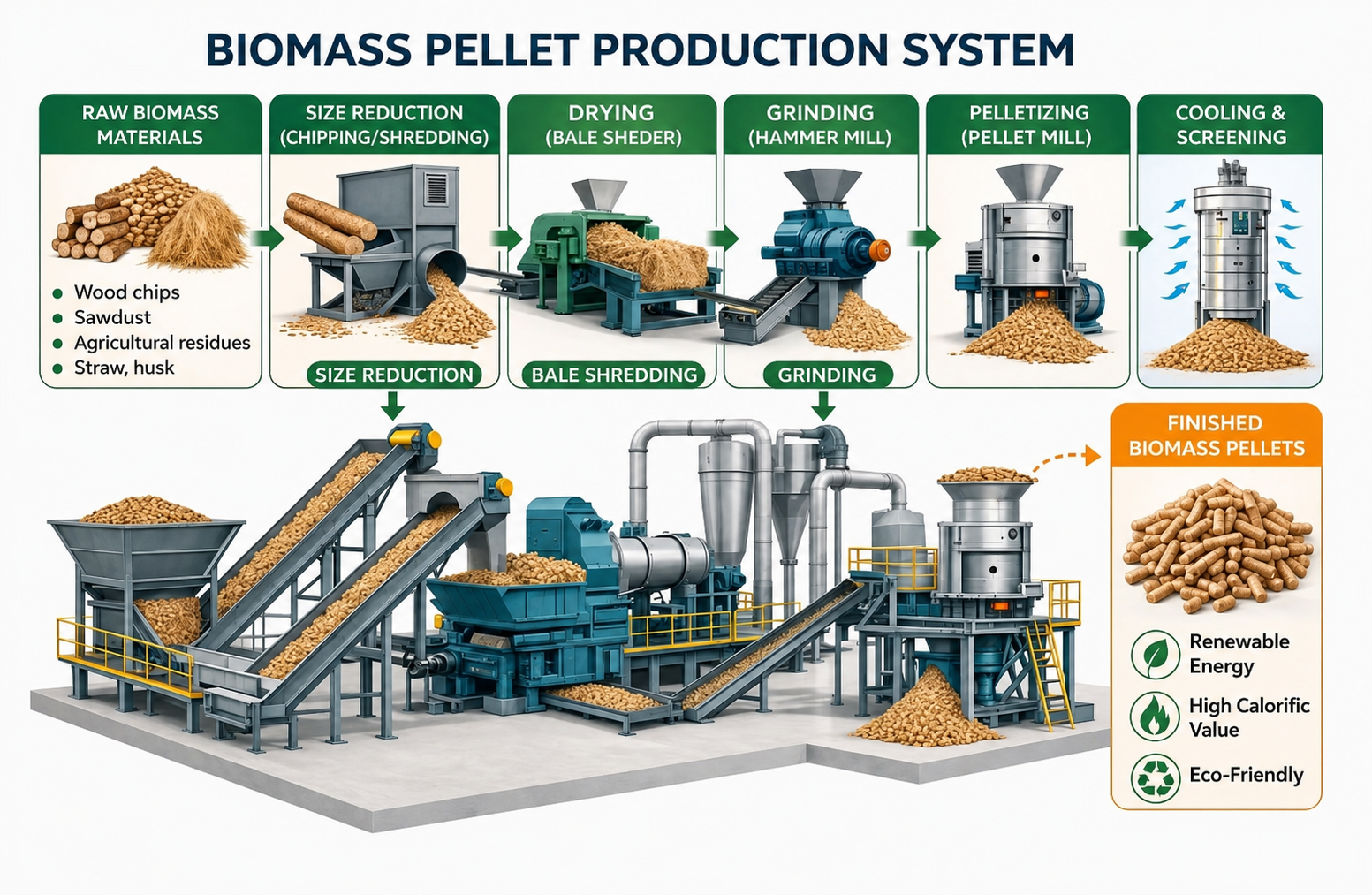
Biomass pellets are compact, renewable fuel sources created from agricultural residues and organic materials.

Applications of Biomass Pellets

Industries

Efficient energy source for manufacturing processes

Households

Eco-friendly heating for residential spaces

Power Plants

Sustainable fuel for energy generation facilities

Others

Versatile applications in various sectors

Policy Context

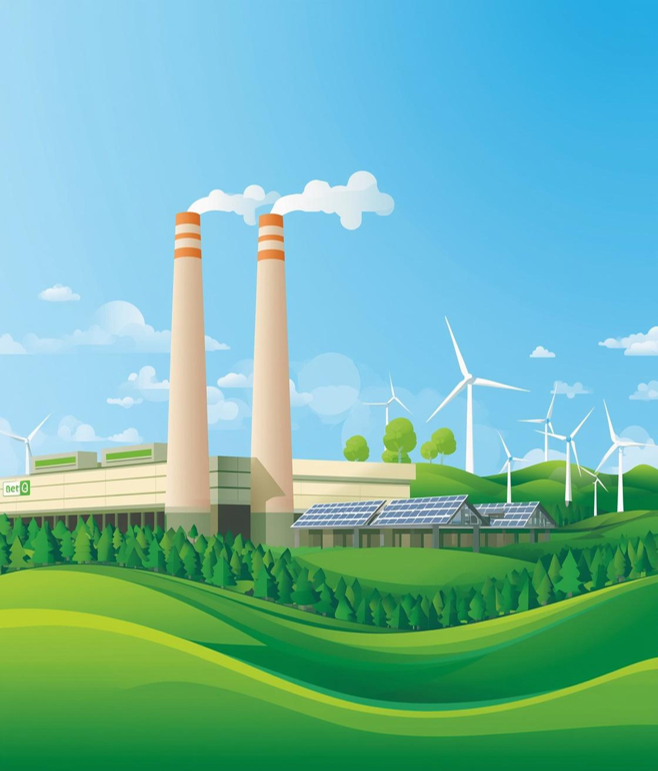
The Revised Biomass Policy aims to enhance sustainable practices and promote biomass energy utilization in India.

Policy Context

Agro-Residue Burning

Contributes to air pollution and health issues

Co-Firing Benefits

Reduces emissions, promotes cleaner energy sources

Advantages

Carbon Reduction

Biomass pellets significantly lower greenhouse gas emissions, contributing to a cleaner, healthier environment.

Renewable Integration

These pellets seamlessly integrate with existing energy systems, enhancing the use of renewable resources sustainably.

Economic Benefits

Utilizing biomass pellets creates jobs and supports local economies through sustainable agricultural practices and energy production.

Raw Materials for Biomass Pellets

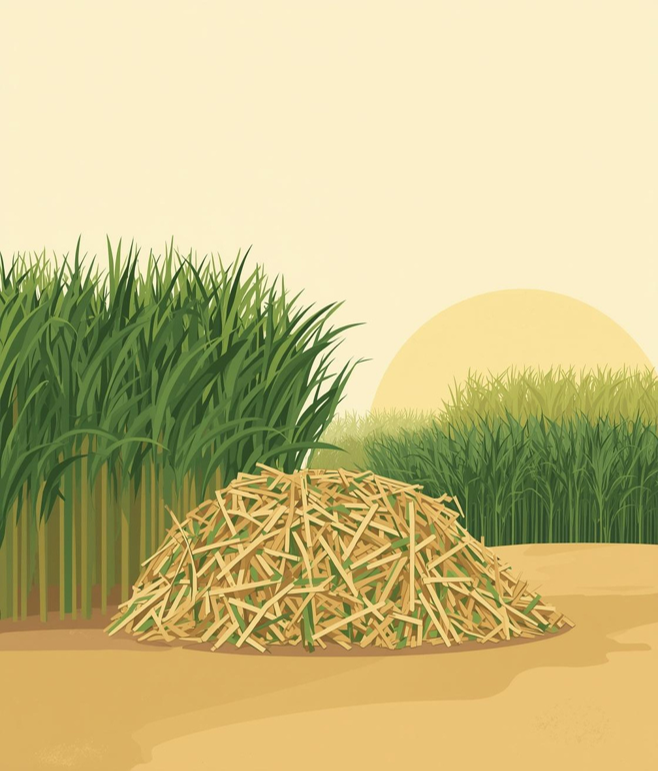
Rice Straw

Abundant agricultural byproduct for biomass energy

Wheat Straw

Versatile material for renewable energy production

Sugarcane Trash

Ideal resource for efficient biomass conversion

Corn Stover

Key ingredient for sustainable energy solutions

Cost & Financials

This chart provides a clear overview of the cost breakdown associated with biomass pellets, highlighting key profit margins and emphasizing the financial sustainability of renewable energy solutions.

Production Cost

RS 5500 / MT

Sale

RS 6500 / MT

Approx Profit

RS 1000 / MT

Representation Of cost breakdown and profit margins

Technical Specifications

Biomass pellets are made from compressed organic material, providing a renewable energy source. Their specifications include diameter, density, and moisture content, which are crucial for efficient combustion. The production process ensures consistency and quality, making them suitable for various applications. Understanding these technical aspects helps optimize their use in energy generation and supports sustainable practices in agriculture and energy sectors.

Technical Specifications

This chart outlines the key financial aspects of our project, including initial investment, operational costs, and potential returns, providing a clear picture of profitability and sustainability.

Challenges & Solutions

Production Challenges

Logistical hurdles in sourcing raw materials persist

Innovative Solutions

Advanced technologies enhance efficiency and reduce waste.

Government Support

Tax Benefits

Incentives for businesses investing in renewable energy.

Grants Available

Funding opportunities for biomass energy initiatives.

Subsidy Programs

Financial support for renewable energy projects.
Innovative Policies

New regulations promoting clean energy solutions.

Technical Specifications

01. Strengths

We offer innovative solutions tailored to market needs.

02. Market Opportunity

The rising demand for biomass expands our reach significantly.

03. Scalability

Our business model supports rapid growth across regions.

04. Commitment

We are dedicated to sustainable practices and customer satisfaction.